



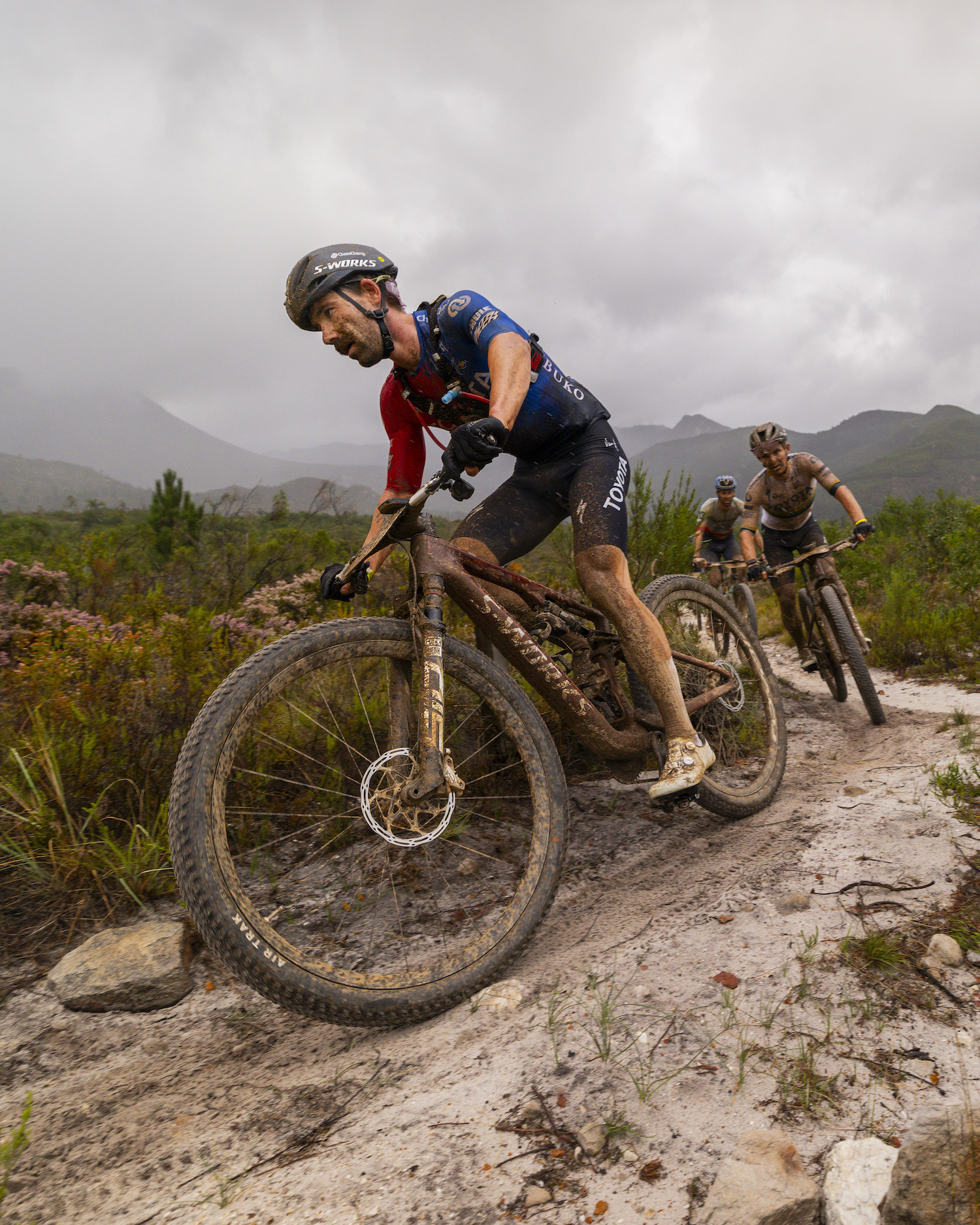
At an event as demanding as the Absa Cape Epic, there’s nowhere to hide – not for riders, and certainly not for their equipment. From the determined amateurs with tongue-in-cheek team names chasing cut-offs, to the polished performance of the Toyota Specialized Imbuko squad that ultimately claimed overall victory, one thing was hard to miss across the 2026 race: the overwhelming presence of SRAM components and RockShox suspension.
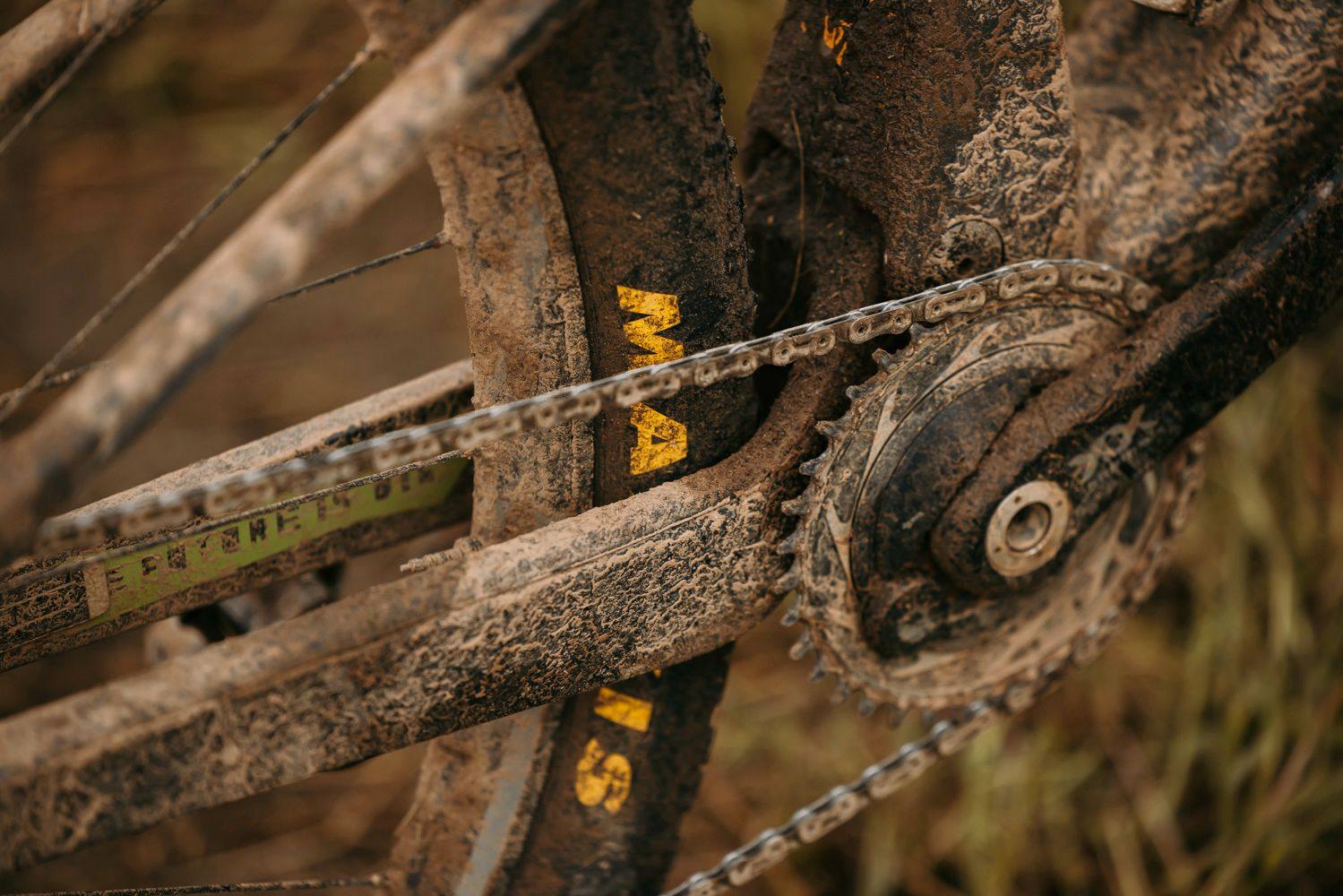
It wasn’t just a trend, it was the standard. A significant portion of the 1500-strong field lined up with SRAM drivetrains, paired with RockShox suspension and SRAM brakesets. In a race defined by brutal terrain, long days, and relentless wear on equipment, riders leaned heavily on components built for efficiency, durability, and lightweight performance.
But 2026 marked a significant shift – not just in what riders were using, but in who was backing them.
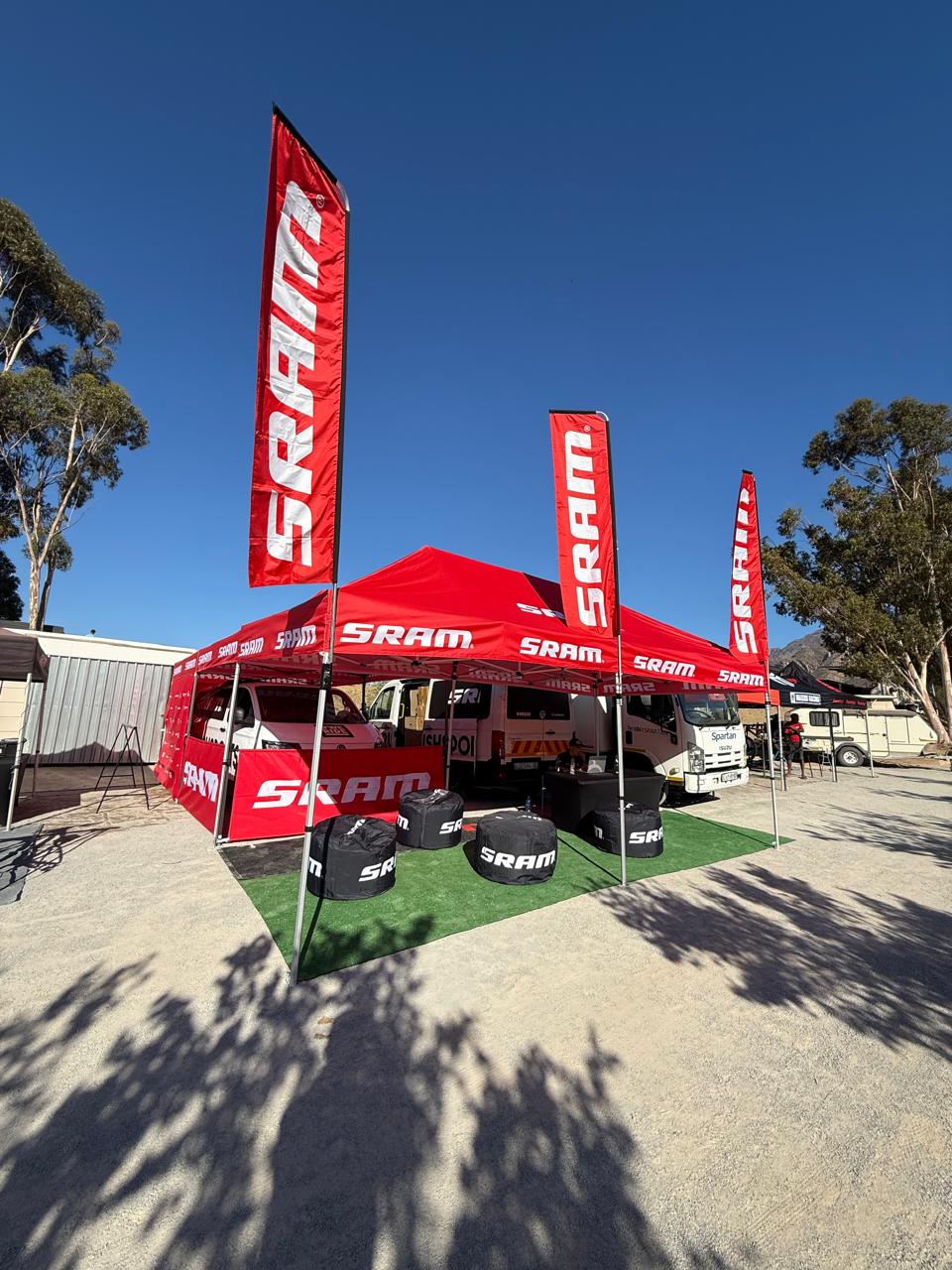
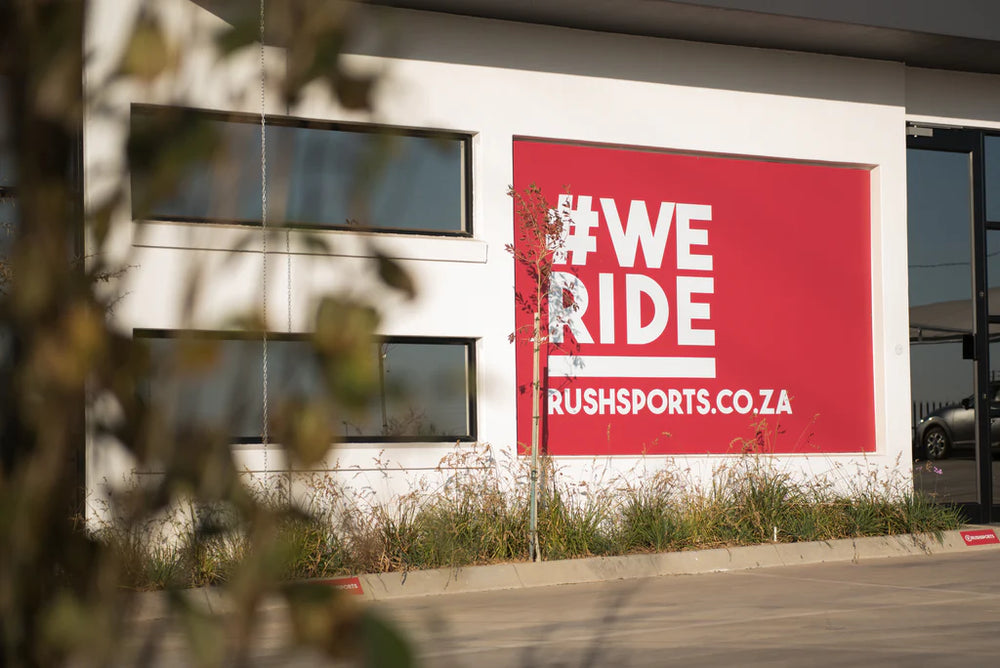
For the first time, Rush Sports, the newly appointed South African distributor of SRAM and RockShox, brought the brands directly to the heart of the race. While South African participants were already familiar with Rush Sports, international riders – who typically only engage with global brands like SRAM and RockShox – experienced their presence on the ground in a new way.
Historically, technical support at the Absa Cape Epic came via independent dealers and bike shops, with SRAM and RockShox not officially represented as brands at the event. That changed in 2026. Just months after taking on the role of local custodian, Rush Sports ensured both brands were not only present but highly visible, establishing themselves in the main race village supporting riders via all the various technical and service providers in the main camp and the Tweedecamp.
It was a deliberate move: bring global-leading brands closer to the riders who depend on them most.
And behind the scenes, making sure those choices paid off, was Rush Sports.
From the opening Prologue at Meerendal to the final push into Stellenbosch, Rush Sports maintained a constant presence, offering round-the-clock technical support and ensuring that spare parts were always within reach. It was a hands-on, all-in commitment to keeping riders rolling.
When the majority of the 1500-strong field chooses your brands for one of the most important races of their life, you’d better deliver the back-up and visibility on the ground – front and centre,” said Sam Bull, Rush Sports CEO.
“Because we all ride – and race – mountain bikes at Rush Sports, we understand the value of delivering not only technical support at the race, but offering the peace of mind to riders who need to focus on physically recovering, not whether their bikes will be ready for the next stage. We are proud that we were successful in achieving that objective,” Bull added.
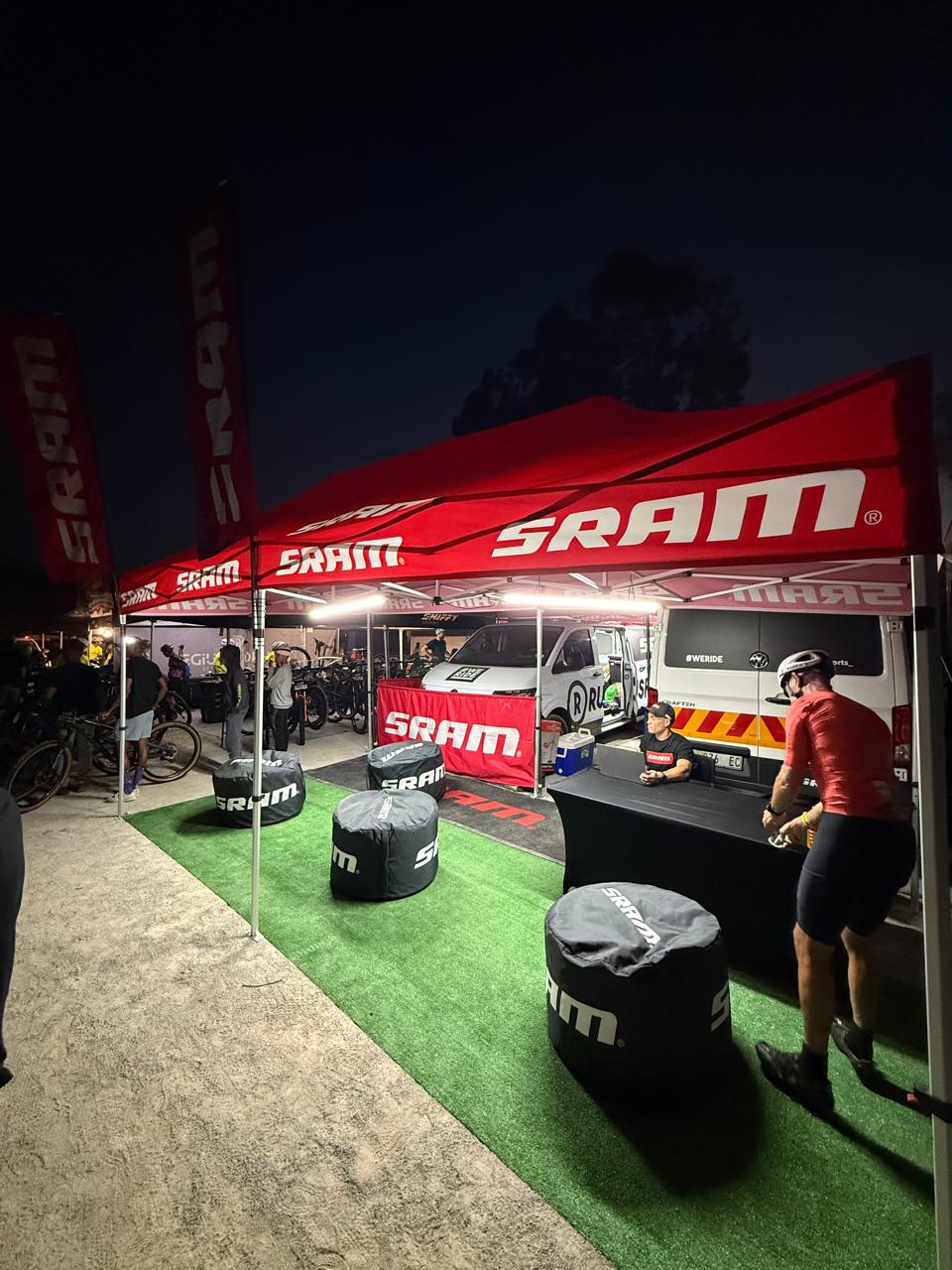
The 22nd edition of the race delivered its usual mix of punishment and unpredictability. Riders battled fine dust and sharp rocks in Montagu, slogged through rain-soaked mud in Greyton, and navigated dry, technical trails in Stellenbosch. Each stage brought new challenges – not just for the riders, but for the machines beneath them.
Keeping those bikes in race-ready condition was a massive, around-the-clock effort. Hundreds of technicians worked late into the night, fine-tuning drivetrains, servicing suspension, and tackling repairs when needed. Rush Sports embedded itself in that ecosystem with SRAM and RockShox, ensuring that expertise and critical spares were always close at hand.
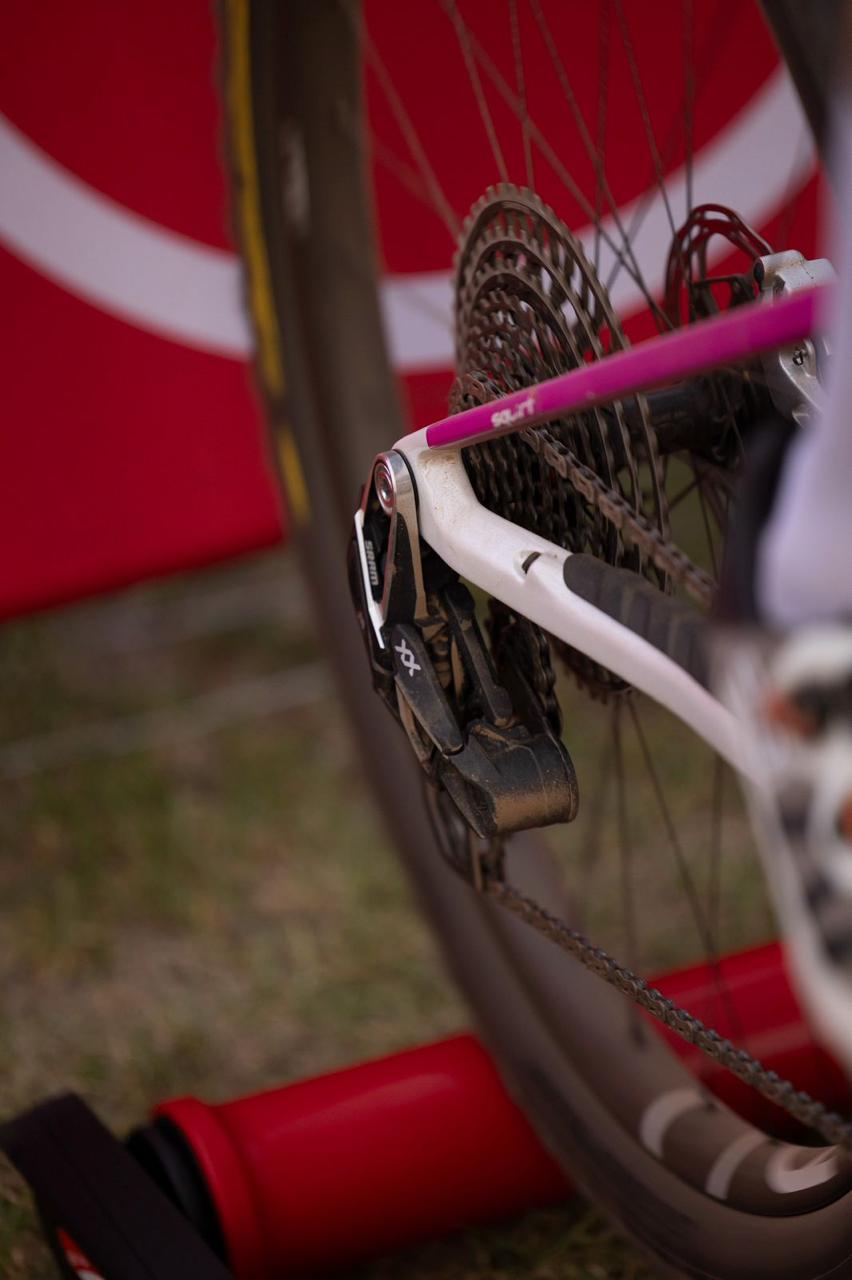
“The key word here is ‘epic’. This race always puts every component through its ultimate test,” said Todd Anderson of SRAM Sports Marketing. “There’s a lot of suspension work. We’re breaking down their forks every night just to make them as supple as possible. These are long days in the saddle and we aim to make it as comfortable for the riders, trying to eliminate any errors and needless fatigue.”
That level of performance didn’t go unnoticed by the top teams.
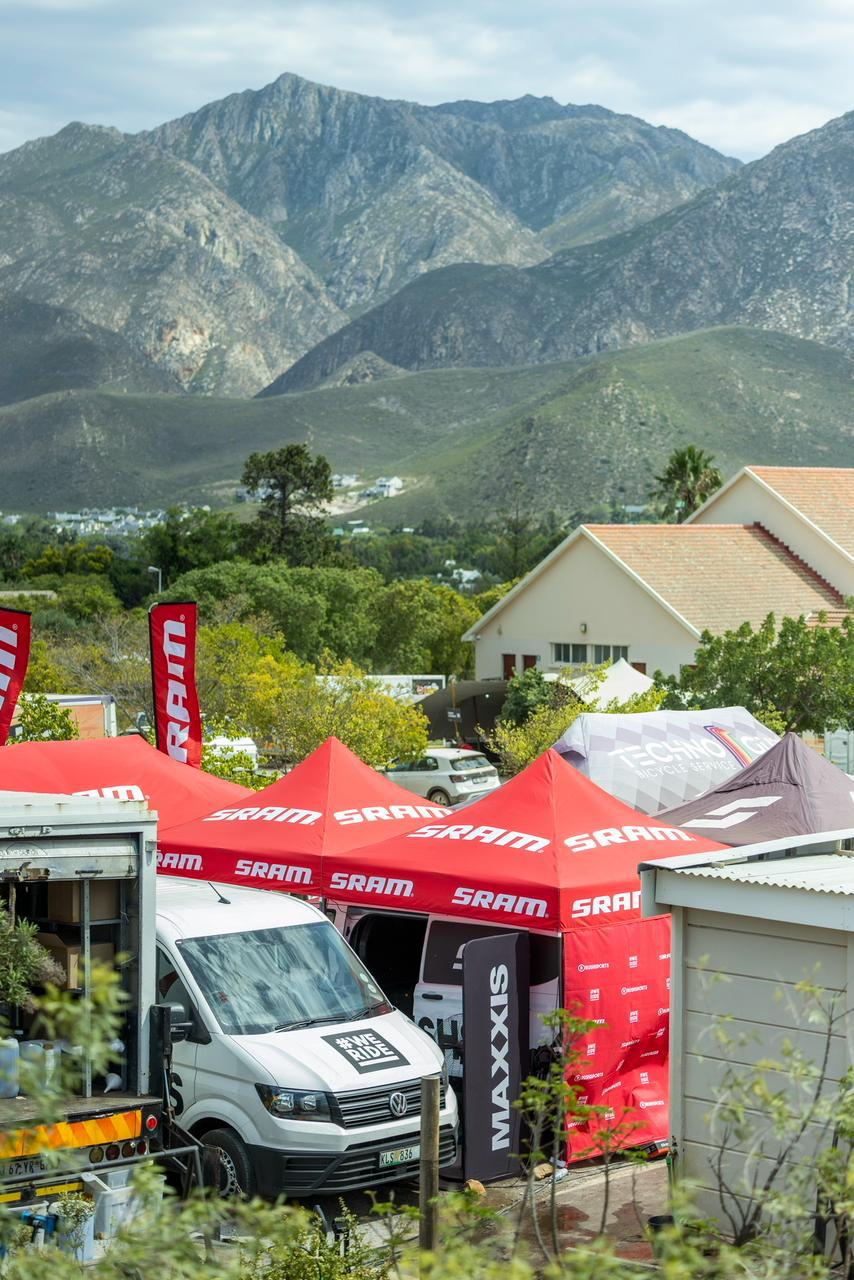
“Having SRAM on the team is incredible. It’s a great brand that makes great product. They have been very innovative in the last 7–10 years. Their mountain bike groupset obviously speaks dividends. I mean their new brake levers are a work of art – they’re absolutely beautiful,” said Bobby Behan of Specialized Africa.
Even under race pressure, reliability held firm.
“In terms of the Cape Epic, the event is obviously very arduous. It’s very hard on the bicycle. But if I look at our bicycles today (after Stage 1), they all held up. We had a rear wheel flat but aside from that no issues with the groupset, the brakes and so on,” Behan added.
Of course, the weather had its say, as it always does.
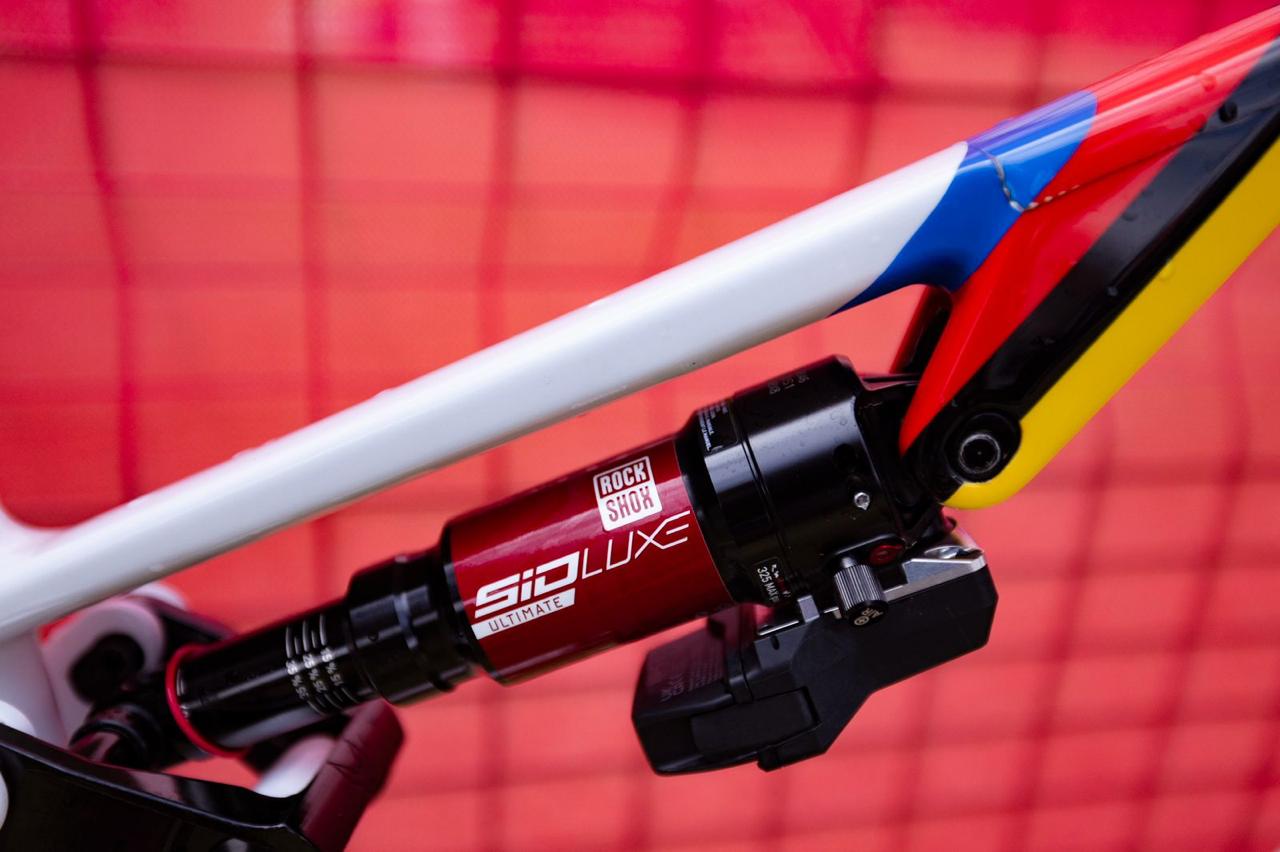
“The weather did bring some change. Today, due to the rain, we have seen a lot of suspension forks come in. It’s what we are here for and what we can deal with. A big shout out to Rush Sports for being here right behind us. They have been a great help when it comes to whatever we need,” said Robbie Powell of RBC suspension and technical support.
And with so many bikes running RockShox, that support proved invaluable.
“We do deal with a number of RockShox forks, just due to the sheer number of bikes fitted with RockShox. It’s fantastic having Rush Sports here. They’re really doing a good job,” Powell added.
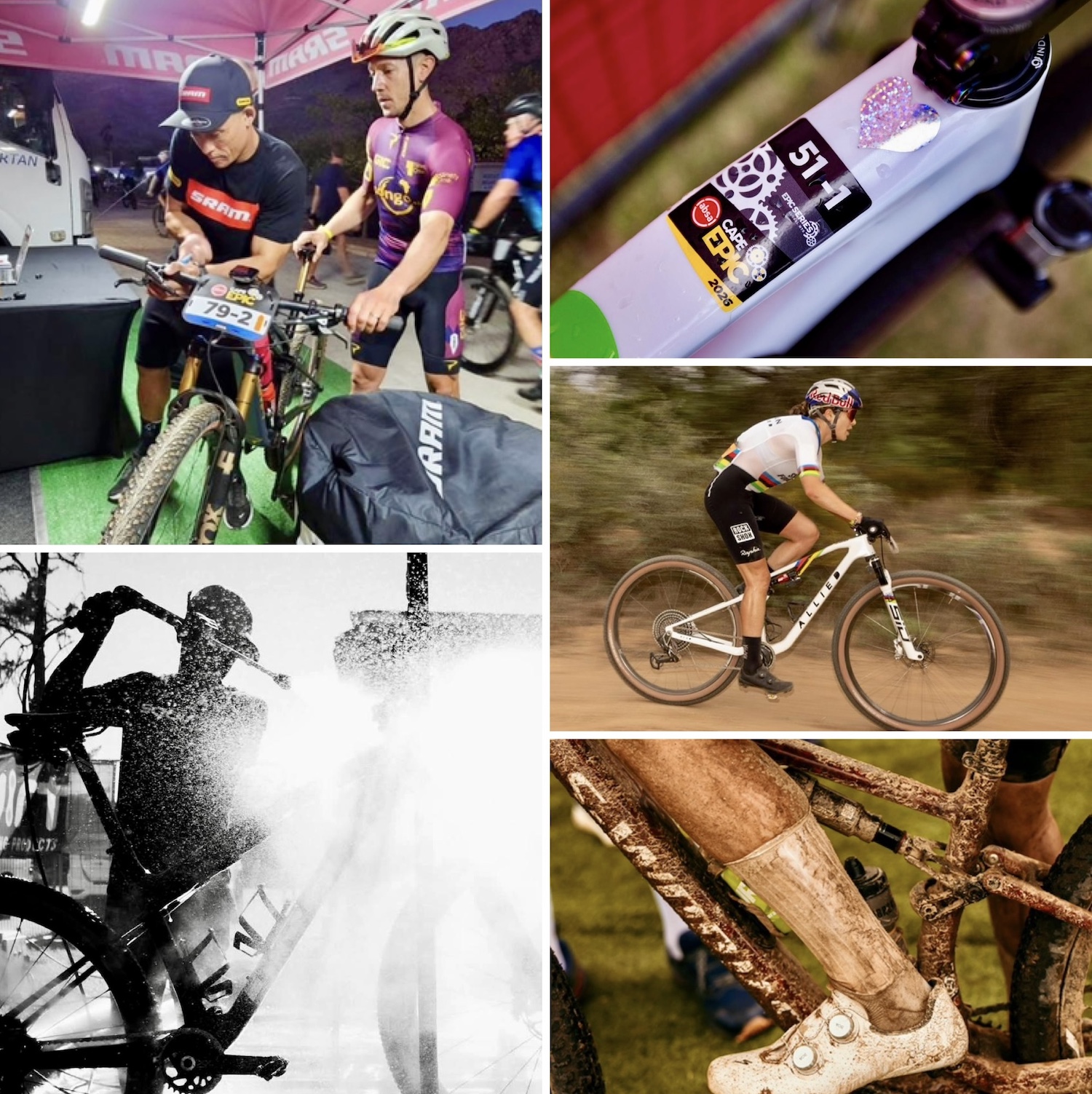
At a race where every second counts and mechanical issues can end months of preparation, the role of behind-the-scenes support can’t be overstated. In 2026, Rush Sports didn’t just show up – they redefined brand presence at the Absa Cape Epic, bringing SRAM and RockShox out of the background and into the spotlight, while giving riders the confidence to trust their equipment and focus on the challenge that really matters: surviving, and thriving, at the Cape Epic.
Photography: Ray Cox and Rush Sports


